

Thinking about a shop to flat conversion in Bristol? Turning an empty shop into a home is one of the best ways to bring a tired building back to life, and it's often more achievable than people expect.
We've just helped the owners of a long-empty shop on Fishponds Road do exactly that. The council turned down the first application. But we knew the scheme was a good one, and we knew how to get it over the line. Less than a year later, our clients had the green light for a brand-new one-bedroom flat.
Here's how we did it, and what it could mean for your own property.
In many cases, yes, and you may not need full planning permission to do it.
Since August 2021, many shops, offices, cafés and other high street premises have been able to become homes through a simpler route called prior approval. Planners call it "Class MA", and it's a type of permitted development.
Instead of judging the whole idea from scratch, the council works through a short checklist:
What the council checks under Class MA prior approval:
The important catch: the building must have been used as a shop or other commercial premises (known as "Class E") for at least two years in a row before you apply. As you'll see, that's where things got interesting on Fishponds Road.
527 Fishponds Road is a traditional three-storey terraced building in the heart of the Fishponds shopping area, in Bristol BS16. There's a maisonette on the upper floors and, on the ground floor, a shop unit that had been sitting empty for years.
Our clients, Rajnee and Peter, could see its potential. Rather than leave it standing empty, they wanted to turn it into a comfortable one-bedroom flat, adding a new home to the area and giving the building a new lease of life.
We prepared the planning drawings, the supporting statement and the application, and handled everything with Bristol City Council on their behalf.
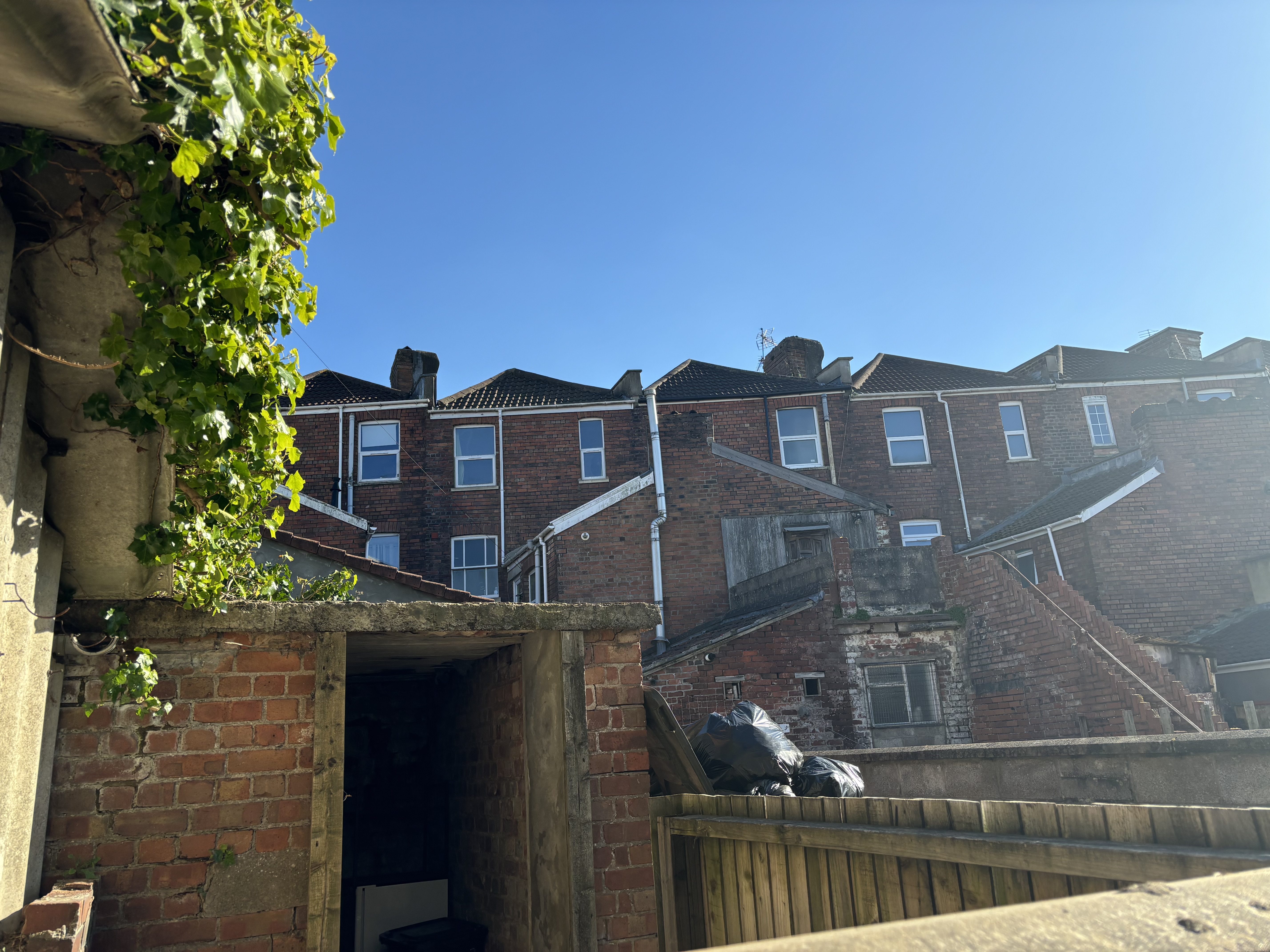
Existing drawings: 527 Fishponds Road


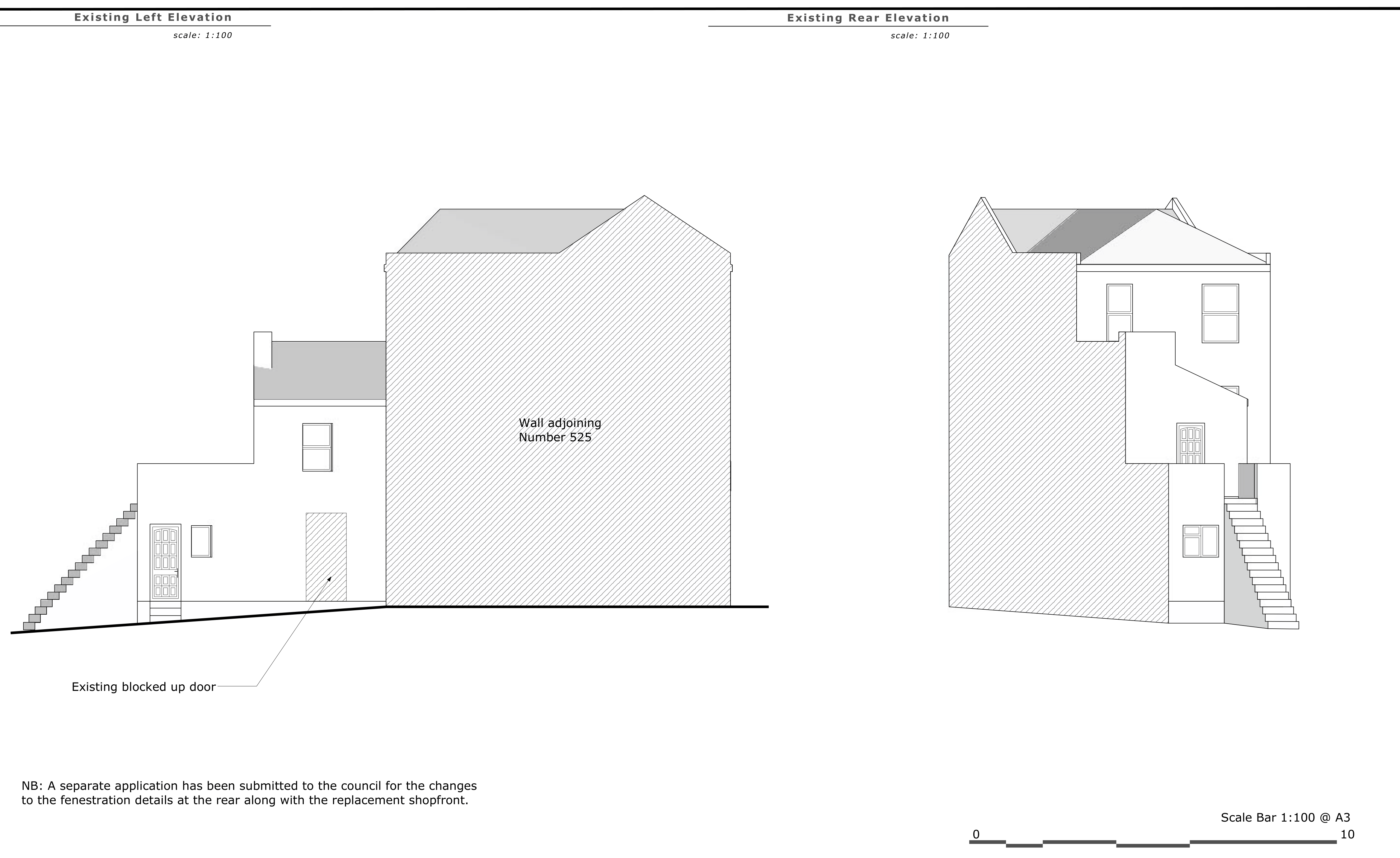
Click any drawing to view it full size.
You'd expect the council to support plans that bring an empty building back into use and deliver a new home, especially in a city with a recognised housing shortfall. Instead, it took a cautious view and refused our first application in June 2025.
The main sticking point was a planning permission from 1973 to turn the shop into a betting office. Betting shops fall outside the Class E group of uses, so the council wasn't convinced the building qualified for prior approval. It seemed an odd reason to resist the scheme. Our clients had run the building as a shop themselves for decades, and there was nothing to suggest a betting office had ever opened there.
The council also raised a couple of other minor points, none of which questioned the idea of turning the shop into a home.
A refusal can feel like the end of the road. In our experience, it's often the start of a stronger case. We were confident this scheme was right for the building, and we knew exactly what the council needed to see.
We applied for a Lawful Development Certificate, which is formal confirmation from the council of how a building can legally be used. Our evidence showed the ground floor had most recently been a shop and office, not a betting office. The council agreed and issued the certificate in February 2026, clearing the biggest hurdle in one go.
With the certificate in hand, we submitted a fresh prior approval application and tidied up the minor points along the way. We also enhanced the viability of the scheme by proposing a new shopfront design based on best practice for shop conversions, submitted as its own planning application alongside it. The council's own report confirmed the flat meets national space standards, with good natural light in every room.
The council's checks on access, flooding and contamination raised no concerns, and not a single neighbour objected.
The approved shop to flat conversion drawings


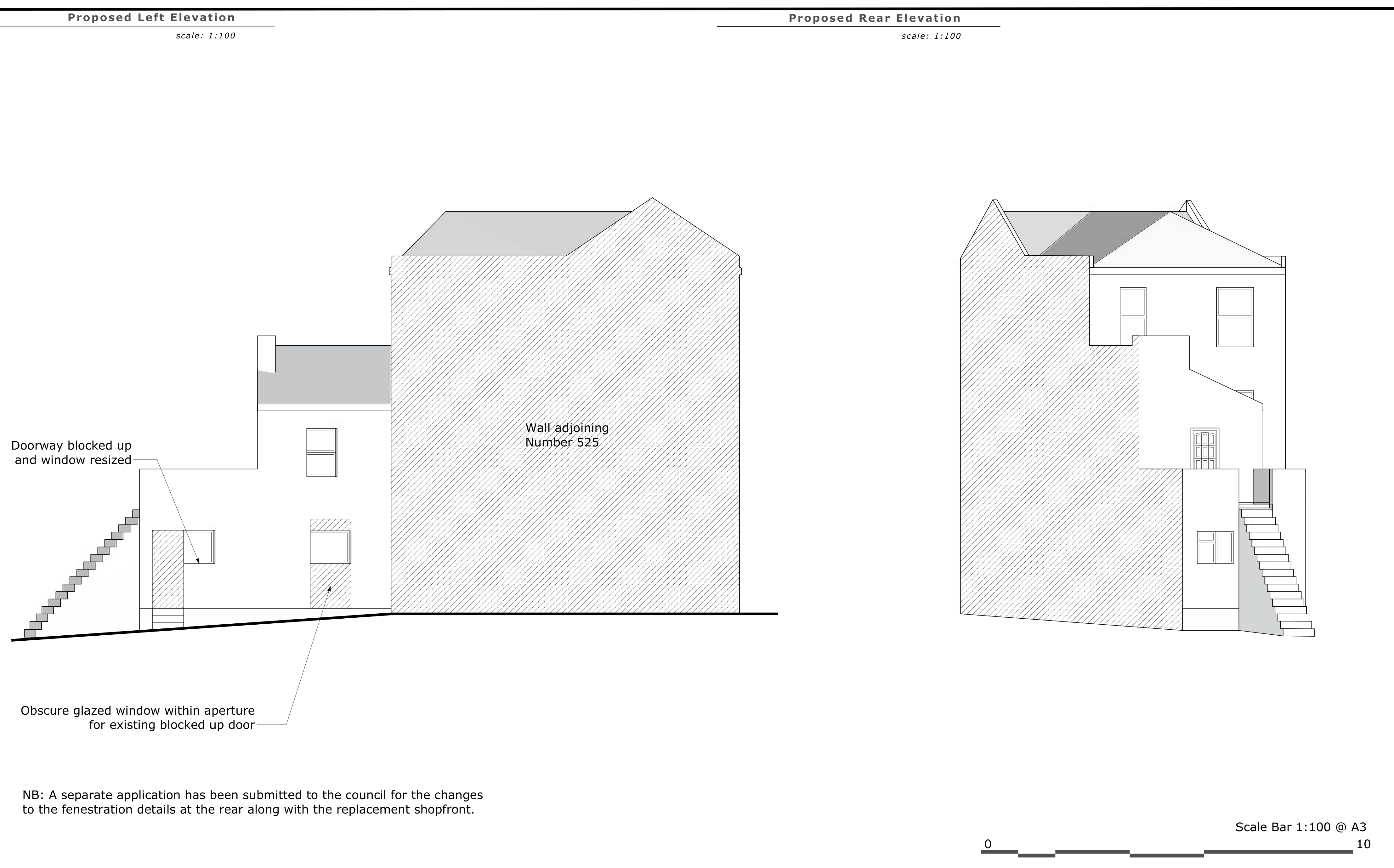
Click any drawing to view it full size.
On 27 April 2026, Bristol City Council gave prior approval for the shop to flat conversion, around six weeks after we submitted it. Planning permission for the new shopfront followed on 13 May 2026.
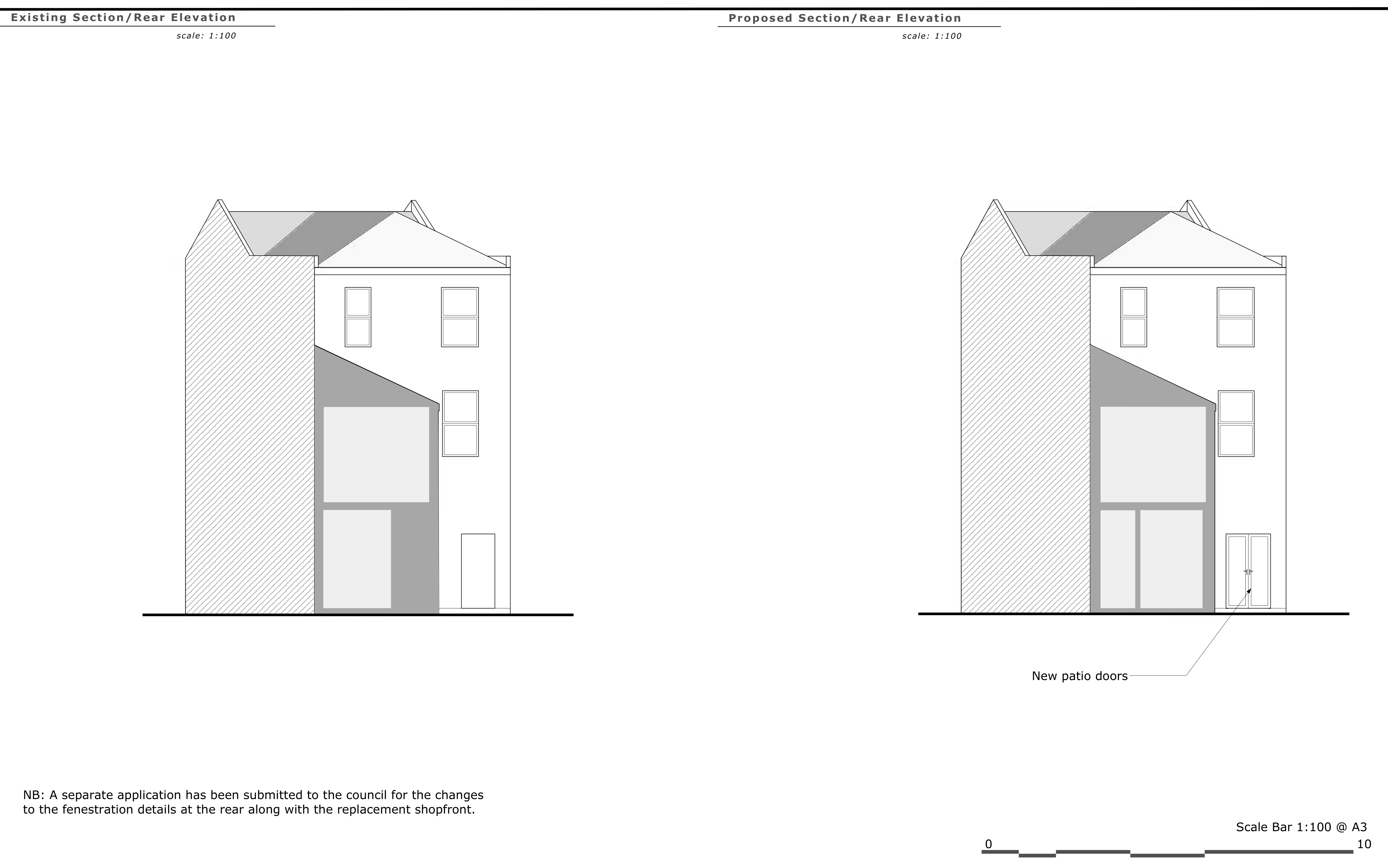
Our clients now have three years to complete the work (see our guide on how long planning permission lasts). Before building starts, they'll need a noise assessment to make sure the new flat is well protected from the launderette next door. That's a common requirement where homes sit beside businesses.
We're continuing to work with Rajnee and Peter on the next stage, including the Building Regulations drawings and technical specification for the new flat.
Planning references: if you'd like to look up the details on Bristol City Council's planning website, the references are:
We're always delighted when clients take the time to share their experience. Here's the 5-star review Rajnee left us on Google:
"We have been working with Jonathan for sometime in getting change of use (commercial to residential) for our project in Bristol. We had quite a few hurdles along the way but Jonathan handled these challenges professionally and took the stress away from us! Jonathan explained everything in detail and kept us informed during all the stages. We have now had this granted and are moving to the next stage which Jonathan will again be working with us to achieve."
Rajnee Takooree ★★★★★ Google review
The Fishponds Road project shows that a refusal isn't always the final word. If your own application has been turned down, here's what we'd suggest:
Not always. If the building has been used as a shop, office or other Class E premises for at least two years in a row, you can usually apply for prior approval instead. It's a simpler process that focuses on a short list of practical issues such as access, flooding, noise and natural light.
Class MA is a permitted development right that allows commercial buildings in Class E use, such as shops, offices and cafés, to be converted into homes. Rather than a full planning application, the council only assesses specific matters set out in the regulations, which makes it a quicker and more predictable route for many commercial to residential conversions.
The council has 56 days (eight weeks) to make a decision. At Fishponds Road, our resubmitted application was approved in around six weeks. Our guide to how long planning permission takes covers timescales for other application types.
It depends on the size and condition of the building. Budget for the council's application fee, drawings, any specialist reports such as a noise assessment, and the building work itself. Our guide to how much planning permission costs explains the fees, or you can get a price for our services using our instant quote tool.
It's formal confirmation from the council that a building's current use is lawful. It's especially useful when old permissions or gaps in the records make a building's use unclear, as they did at Fishponds Road.
Yes. A refused prior approval can be appealed to the Planning Inspectorate, normally within six months of the decision. If the refusal comes down to missing evidence, a fresh application that fixes the problem is often quicker, which is the route we took at Fishponds Road.
Yes, prior approval can still be used. The council will also consider how losing a ground-floor shop would affect the character of the area.
No. Class MA does not apply to listed buildings, so converting a listed shop into a flat needs a full planning application and listed building consent.
Yes. Turning a shop into a home means meeting Building Regulations for fire safety, sound insulation, ventilation and structure, even when prior approval has been given.
Whether you own an empty shop, an office or another commercial unit, we can tell you early on whether a shop to flat conversion in Bristol is possible and the best way to get there. If you've already had a refusal, we're happy to take a look and give you an honest view of your options.
We're based in Bristol and work across Bristol City, South Gloucestershire, North Somerset and Bath & North East Somerset. Contact us today or call 07850 937112 for a friendly chat about your project.

Jonathan Fletcher, Director of Adapt Planning Ltd, brings over 20 years of expertise in planning and architectural design. Based in Bristol, Jonathan is dedicated to delivering tailored solutions that help clients achieve their vision while adhering to local planning policies.


